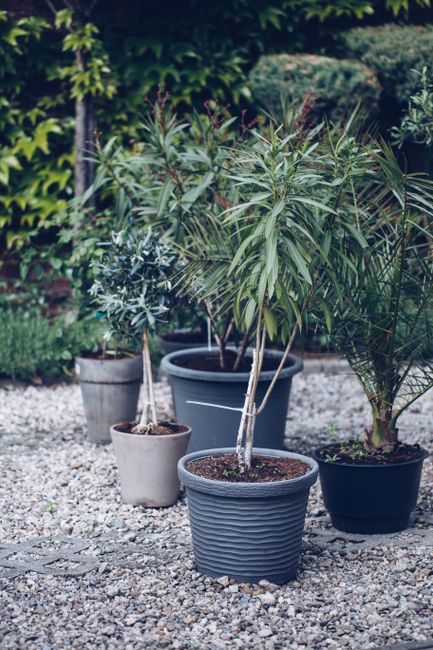
Old Brompton Road gardeners for courtyard gardens Brompton
If you have a courtyard in Brompton, you already know the charm is in the details. A few metres of outdoor space can feel private, elegant, and surprisingly useful, but only if it is planned well and looked after properly. That is where Old Brompton Road gardeners for courtyard gardens Brompton come in. The right gardener does far more than tidy up pots and trim a hedge. They help turn a compact, sometimes awkward space into a garden that works through the seasons, sits comfortably with the architecture, and does not become a constant maintenance headache.
Courtyard gardens are brilliant little spaces, but they can be unforgiving. Shade from tall buildings, limited soil depth, drainage quirks, and access constraints all change what is realistic. So in this guide, we'll look at how courtyard garden gardening works in Brompton, what to expect from a good local service, how to avoid common mistakes, and how to make smart choices if you are comparing options. A small garden can still deliver a lot. Honestly, sometimes it delivers more than the big ones.
For a broader view of available support, you may also want to review the services overview and the company's about us page to understand how the team approaches local garden care.
Table of Contents
- Why Old Brompton Road gardeners for courtyard gardens Brompton Matters
- How Old Brompton Road gardeners for courtyard gardens Brompton Works
- Key Benefits and Practical Advantages
- Who This Is For and When It Makes Sense
- Step-by-Step Guidance
- Expert Tips for Better Results
- Common Mistakes to Avoid
- Tools, Resources and Recommendations
- Law, Compliance, Standards, or Best Practice
- Options, Methods, or Comparison Table
- Case Study or Real-World Example
- Practical Checklist
- Conclusion
- Frequently Asked Questions
Why Old Brompton Road gardeners for courtyard gardens Brompton Matters
Courtards in Brompton are often part of a larger rhythm: townhouses, mews homes, mansion blocks, basement terraces, and discreet private spaces tucked behind high walls. That setting matters because the garden is not isolated. It has to sit well with the property, the light, the neighbours, and the way the space is used day to day.
Old Brompton Road gardeners for courtyard gardens Brompton matter because courtyard gardens need a different mindset from front lawns or larger suburban borders. There is less room for error. A plant that grows too large can dominate quickly. A drainage issue can become obvious after one heavy downpour. A poor choice of surface can make the space feel cold and hard instead of calm and welcoming. In other words, the scale is small, but the decisions are not.
There is also a practical side. Many courtyard gardens in this part of London are accessed through side passages, shared entrances, or narrow internal routes. That changes how materials are brought in and how waste is taken away. A good local gardener understands that the job is not just horticulture. It is logistics, discretion, and care. To be fair, that is half the battle in a compact London garden.
And then there is the climate reality. London courtyards can be windier than expected, much shadier than people think, and often drier around building edges. A gardener who works locally will recognise those conditions and design around them rather than fighting them. That can save you money, time, and a fair bit of frustration later on.
How Old Brompton Road gardeners for courtyard gardens Brompton Works
A courtyard garden service usually begins with a site visit or an initial conversation. Good gardeners will want to know how the space is used, how much sun reaches it, whether pets or children use it, and what you want it to feel like. Do you want a quiet sitting area, a lush green retreat, structured evergreen planting, or a place that changes with the seasons? Those answers shape the work.
From there, the process often moves through a few practical stages:
- Assessment: Measuring the space, checking access, understanding light levels, drainage, soil condition, and existing planting.
- Planning: Deciding on planting styles, containers, surfaces, maintenance frequency, and any improvements needed.
- Implementation: Carrying out pruning, planting, cleaning, bed preparation, container refreshes, or seasonal changes.
- Maintenance: Returning regularly to keep the garden healthy, neat, and in proportion to the space.
In many courtyard gardens, maintenance matters more than one-off glamour. A design can look perfect in May and slightly chaotic by August if it is not regularly managed. That is not a failure. It is simply how gardens behave, especially in constrained spaces.
Local courtyard gardening also tends to involve close attention to materials. Pots need to be strong enough for exposed conditions. Soil mix matters because containers dry out fast. Plant selection needs to reflect shade, reflected heat, and the visual style of the home. And if you need more than routine upkeep, it helps to choose a team that can coordinate broader garden support through a service range such as the garden services available in Brompton.
For anything involving access, payment handling, or service conditions, it is sensible to review the company's terms and conditions and payment and security information before work begins. That sounds dull, yes, but it avoids misunderstandings later.
Key Benefits and Practical Advantages
The biggest benefit of using Old Brompton Road gardeners for courtyard gardens Brompton is simple: the garden becomes easier to live with. Not just prettier, but easier. That can be a bigger win than people expect.
- Better use of limited space: Every square metre counts. Expert planning makes the garden feel bigger and more intentional.
- Healthier plants: Courtyards often create microclimates. Proper plant choice helps with shade, wind, and water stress.
- Cleaner presentation: Regular trimming, deadheading, and seasonal refreshes stop the garden from looking tired.
- Reduced maintenance burden: The right structure and planting plan cuts down on constant tinkering.
- Improved privacy and calm: A well-shaped courtyard can screen views and soften hard edges beautifully.
- Better long-term value: Careful upkeep protects planting, containers, surfaces, and the overall feel of the property.
There is also an emotional benefit that is easy to overlook. A courtyard garden can become a place you actually use. A coffee in the morning. A quiet glass of wine in the evening. A small patch of green that interrupts city noise. Sounds simple, but that shift changes how the whole home feels.
Another practical advantage is that experienced local gardeners tend to spot problems early. Failing drainage, root crowding in containers, powdery mildew, or a planting palette that is simply too thirsty for the site can all be managed before they become expensive fixes. That is the kind of value people often only appreciate after the first winter.
Who This Is For and When It Makes Sense
This kind of gardening service is a strong fit if you own or manage a small private outdoor space and want it to look refined without becoming a second job. It makes particular sense for:
- homeowners with compact courtyard or patio gardens
- busy professionals who want a beautiful space with minimal fuss
- landlords or property managers maintaining premium rental stock
- people moving into a Brompton property and wanting a fresh start outdoors
- anyone whose garden has become overgrown, sparse, or awkwardly planted
It can also be the right call if you have just inherited a courtyard layout that does not suit how you live. Maybe there is too much paving and not enough softness. Maybe the plants all flower at once and then disappear. Or maybe the whole space feels slightly gloomy, which is common in enclosed London gardens. A good gardener can help balance that out without ripping everything out and starting from scratch. Not always needed, thankfully.
This service is especially worthwhile if you have limited time or if you are not confident managing planting decisions yourself. Courtyard gardens are forgiving in some ways, but not when the wrong shrub is planted in the wrong place. You may notice the problem slowly at first, then all at once. That is often how it goes.
Step-by-Step Guidance
If you are planning work on a courtyard garden in Brompton, here is a practical way to approach it.
1. Start with how the space should feel
Before you think about plants, think about atmosphere. Should the courtyard feel lush and enclosed, light and airy, modern and restrained, or romantic and layered? That decision shapes everything else. A tiny courtyard does not need to be crowded to feel green.
2. Measure sunlight and shade honestly
Spend a day or two noticing where light falls. Morning sun, afternoon shade, reflected warmth from brick walls, and wind tunnels between buildings all matter. A plant list that works in a sunny suburban back garden may be a poor fit here.
3. Review surfaces and drainage
Courtyards often have hard surfaces that can look smart but become slippery or lifeless if overused. Check whether water pools after rain. If it does, that needs attention early. A garden can look immaculate and still perform badly if drainage is neglected.
4. Decide what should stay and what should go
Some existing plants may be worth keeping. Mature climbers, well-shaped evergreens, or healthy specimen shrubs can anchor a design. But overcrowded containers, tired topiary, or mismatched pots often need a reset. Be selective. Over-clearing is a common mistake.
5. Build the structure first
In small gardens, structure matters more than you think. Evergreen backbone planting, a repeated container style, a wall climber, or a simple bench can make the space feel intentional even in winter. Then the softer seasonal planting can do its work around that frame.
6. Plan maintenance from day one
A courtyard garden is not just a design project. It is a living system. Ask how often pruning, watering, feeding, sweeping, and replanting will be needed. If a scheme looks amazing only when perfectly tended, it may not be realistic for your lifestyle.
If you want a sense of pricing before committing, the pricing and quotes page is the sensible place to start. A clear quote process also makes it easier to compare options without guesswork.
Expert Tips for Better Results
Here is the short version: in courtyard gardens, restraint usually wins. Too many colours, too many materials, too many plant varieties, and the space starts to feel busy rather than elegant. Less can genuinely be more.
Some practical tips that make a real difference:
- Use repetition: Repeat one or two pot styles or plant forms to create calm.
- Mix textures, not chaos: Pair glossy leaves with softer foliage, or vertical shapes with low mounds.
- Prioritise evergreen structure: Winter matters. The garden should still look composed when flowers are gone.
- Choose the right container size: Tiny pots dry out quickly and can look lost in a courtyard.
- Water thoughtfully: Courtyards can be deceptive. Some stay damp; others dry in no time.
- Keep access in mind: Narrow entry points mean every item needs to be practical to move and maintain.
One small but useful trick is to look at the garden from inside the house before making choices. The view from a kitchen window or sitting room often matters more than the view from the doorway. That's the bit you live with most.
Another tip: if the garden is very shaded, do not try to force a full-sun look. Shade gardens can be beautiful when they lean into foliage, bark, white flowers, pale containers, and subtle texture. There is a quiet elegance to that approach. It does not shout. It doesn't need to.
Common Mistakes to Avoid
Courtyard gardens are easy to overcomplicate. The most common mistakes are not dramatic. They are the sort that creep in, bit by bit, until the space feels harder to enjoy.
- Choosing plants for looks alone: A plant can be lovely in theory and miserable in the actual site conditions.
- Ignoring mature size: Small plants do not stay small forever.
- Using too many container types: Too much variety creates clutter.
- Underestimating water needs: Pots in sheltered city courtyards often need more attention than expected.
- Letting pruning drift: A little regular pruning is far better than an occasional rescue mission.
- Making the whole space hard landscape: Too much paving and the courtyard can feel cold and echoey.
- Forgetting seasonal change: A garden that only works for six weeks is not really working.
A subtler mistake is trying to make a courtyard imitate a larger garden. It rarely feels right. Compact spaces need their own language. They benefit from rhythm, proportion, and a few strong decisions rather than lots of competing gestures.
If you are worried about whether a service is reputable, it is fair to check the business's insurance and safety information and read the complaints procedure as part of your due diligence. Hopefully you never need the latter, but it is good to know it exists.
Tools, Resources and Recommendations
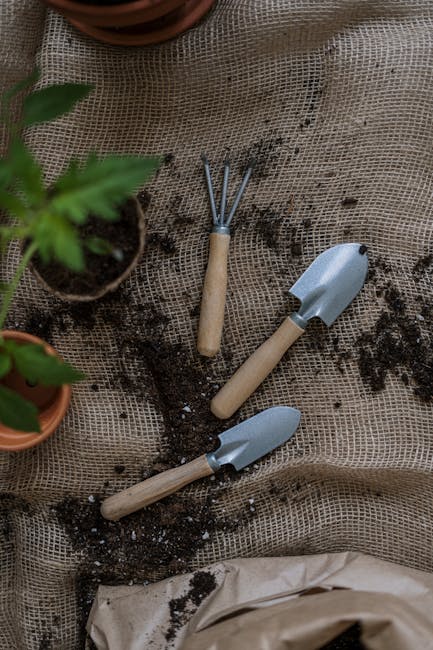
You do not need a shed full of specialist kit to manage a courtyard garden well, but the right tools make maintenance neater and less stressful. For everyday care, these are the basics worth having or expecting a professional to use:
- clean, sharp secateurs
- lightweight pruning tools for tighter spaces
- watering cans or irrigation solutions suited to pots and planters
- quality compost and mulch
- soil improvers for tired containers or beds
- brooms, leaf collectors, and hand tools for tidy finishing
For a local homeowner, the most useful resource is usually a consistent maintenance plan rather than a complicated toolkit. A quarterly tidy-up can be enough in some gardens, while others need more frequent visits in the growing season. There is no single answer. A south-facing paved courtyard with lots of containers will behave very differently from a shaded, sheltered space with permanent planting.
If sustainability matters to you, ask how green waste is handled and what recycling practices are used. You can also review the company's recycling and sustainability information to understand how materials and waste are managed. It is a small detail, but it says a lot about how a business operates.
For residents who value transparency and accessibility, the accessibility statement and contact page are useful touchpoints when arranging the next steps.
Law, Compliance, Standards, or Best Practice
For courtyard gardening in Brompton, the main compliance concerns are usually practical rather than dramatic. You are mostly looking at safety, access, waste handling, privacy, property boundaries, and the correct use of tools and materials. If a gardener is working near entrances, steps, or shared areas, safe movement and clear communication matter a lot.
In UK professional gardening, good practice usually includes:
- appropriate public liability insurance where services are being provided professionally
- safe use and storage of tools and materials
- careful handling of waste and green waste removal
- respect for neighbouring properties and shared access routes
- clear agreement on scope, timing, and payment
It is also sensible to understand how the business handles risk and site safety. The health and safety policy is worth reviewing if you want to know what standards guide the work. And if you are concerned about the business's wider operating practices, the modern slavery statement gives a clear view of its ethical commitments.
Best practice also means honest communication. If access is tight, if there are fragile surfaces, if plants are highly prized, or if certain hours are not suitable, say so early. It saves everyone trouble. Truth be told, a lot of garden problems are just communication problems in disguise.
Options, Methods, or Comparison Table
If you are deciding how to manage a courtyard garden, it helps to compare the main approaches. Each one suits a different level of time, budget, and ambition.
| Approach | Best for | Pros | Trade-offs |
|---|---|---|---|
| One-off tidy and reset | Overgrown or neglected courtyards | Fast visual improvement, clears the slate | Needs follow-up care to hold shape |
| Seasonal refresh | Gardens with a decent base structure | Updates the look without full redesign | Won't solve deeper layout problems |
| Regular maintenance plan | Busy homeowners and premium properties | Consistent quality, fewer surprises | Ongoing commitment required |
| Full redesign and replanting | Courtyards with poor structure or plant mix | Long-term improvement, better function | Higher upfront effort and planning |
In many Brompton properties, a hybrid approach works best: a structural reset followed by regular maintenance. That gives the garden a strong base without demanding a total rebuild every year. It is usually the most sensible option, especially where access is a bit fiddly or the courtyard has to stay usable during the work.
Case Study or Real-World Example
Here is a realistic example. Imagine a compact courtyard behind a period terrace off Old Brompton Road. The space has pale paving, two tired containers, one overgrown climber, and a bench that gets used more in spring than winter. It looked fine at a glance, but in practice it felt empty in some months and overcrowded in others.
A sensible garden plan would begin by assessing shade, drainage, and the view from inside the house. The climber might be pruned and retrained rather than removed. The containers could be replaced or refreshed with a more coherent pair of larger pots. Evergreen structure would provide year-round shape, while seasonal planting would be kept simple and repeated. A small amount of soft foliage and a restrained colour palette would make the courtyard feel calmer straight away.
After the first round of work, the difference is not always dramatic in a flashy sense. It is more like the room finally makes sense. The bench feels usable. The walls seem softer. The space stops asking for attention and starts giving it. That's the real goal.
Then, with a regular maintenance schedule, the garden becomes easier to keep. Deadheading is lighter. Pruning is less urgent. The whole thing looks like it belongs there, which is what most people want even if they do not say it out loud.
Practical Checklist
Use this checklist before hiring or briefing a gardener for a courtyard space in Brompton:
- Have you defined the garden's main purpose?
- Do you know how much sun, shade, and wind the space gets?
- Have you identified any access restrictions?
- Do you need one-off work, regular maintenance, or a redesign?
- Are there plants or features you want to keep?
- Do you want a low-maintenance scheme or a more decorative one?
- Have you asked about insurance, safety, and working practices?
- Have you checked how pricing and quotes are handled?
- Do you understand how waste and recycling will be managed?
- Have you agreed timing, scope, and expectations clearly?
Expert summary: the best courtyard garden results come from matching the planting and maintenance plan to the reality of the space, not to an ideal picture in your head. That sounds obvious, but it is where many projects drift off course. Keep it simple, keep it proportionate, and keep it maintainable.
Conclusion
Old Brompton Road gardeners for courtyard gardens Brompton are valuable because they bring local understanding to a very specific kind of space. Courtyard gardens need proportion, good plant choices, practical maintenance, and a calm hand. They also need someone who understands that a small garden can be a serious design and care challenge, not a minor one.
If you want a courtyard that looks elegant through the seasons and feels easy to live with, the right gardener can make a real difference. Start with the space, not the wishlist. Be honest about time, light, and access. And choose a plan that suits how you actually live, not how you imagine a garden should look in a magazine. That little shift changes everything.
Get a free quote today and see how much you can save.
If you are ready to explore your options, the next sensible step is to review the service details, then make an initial enquiry through the contact page. A good courtyard garden is often built quietly, one practical decision at a time.
Frequently Asked Questions
What do Old Brompton Road gardeners for courtyard gardens Brompton usually do?
They typically handle planting, pruning, seasonal tidying, container care, light redesign work, and ongoing maintenance for compact outdoor spaces. In many cases, they also help with layout decisions and plant selection so the garden suits the light, access, and scale of the property.
How often does a courtyard garden need maintenance?
That depends on the planting style and how busy the space is. Some courtyard gardens need attention every few weeks during the growing season, while others can be managed with less frequent visits. Container-heavy gardens usually need more regular care than established planted beds.
Are courtyard gardens harder to maintain than larger gardens?
Often, yes, because there is less room to hide mistakes and more pressure on each plant and material choice. A small space can look untidy quickly if it is not maintained well. The upside is that good maintenance can make a big visual difference fast.
What plants work best in a Brompton courtyard?
It depends on the light, but many courtyard gardens suit shade-tolerant evergreens, structured shrubs, compact climbers, and seasonal planting with a restrained colour palette. The main rule is to choose plants for the actual conditions, not for a catalogue picture.
Can a very shady courtyard still look attractive?
Absolutely. Shade gardens can be some of the most elegant spaces in London when they focus on foliage texture, subtle layering, pale accents, and evergreen structure. You do not need full sun to create atmosphere.
How do I know whether I need a redesign or just maintenance?
If the garden already has good bones but needs tidying, pruning, and seasonal refreshes, maintenance may be enough. If the layout feels awkward, the planting is failing repeatedly, or drainage and structure are poor, a redesign may be the better long-term option.
Is it worth getting a quote for a small courtyard garden?
Yes. Small gardens still vary a lot in complexity, access, and maintenance needs. A proper quote helps you compare scope and understand what is included. It also avoids guessing, which is never ideal when you are dealing with a compact space.
What should I ask before hiring a gardener in Brompton?
Ask about experience with courtyard gardens, insurance, safety practices, access handling, waste removal, and how they approach maintenance over time. It is also sensible to ask how they structure pricing and what happens if the brief changes.
Do courtyard gardens need special drainage solutions?
Sometimes they do. Courtyards can suffer from pooling water or awkward run-off, especially where hard surfaces dominate. A gardener may not always need to install major drainage work, but they should assess the issue and flag it early if needed.
How can I keep a courtyard garden looking good all year?
Use evergreen structure, repeat key materials, and plan for winter interest as well as summer colour. Regular pruning, deadheading, and container care also make a big difference. A garden that is designed for all seasons will feel more settled and less patchy.
What if I have limited access to the courtyard?
That is very common in Brompton and not a problem in itself. The important thing is to tell the gardener early so they can plan materials, access routes, and timings properly. Narrow access just needs a bit more thought. Not a drama, just a detail.
Where can I find more information about the company's working practices?
You can review the company's insurance and safety information, recycling and sustainability details, and pricing and quotes guidance to understand how services are handled before you proceed.
What is the best first step if my courtyard is overgrown?
Start with a tidy assessment rather than ripping everything out at once. A skilled gardener can help decide what should be cut back, what can be saved, and what should be replaced. That usually gives the best balance of quick improvement and sensible long-term planning.