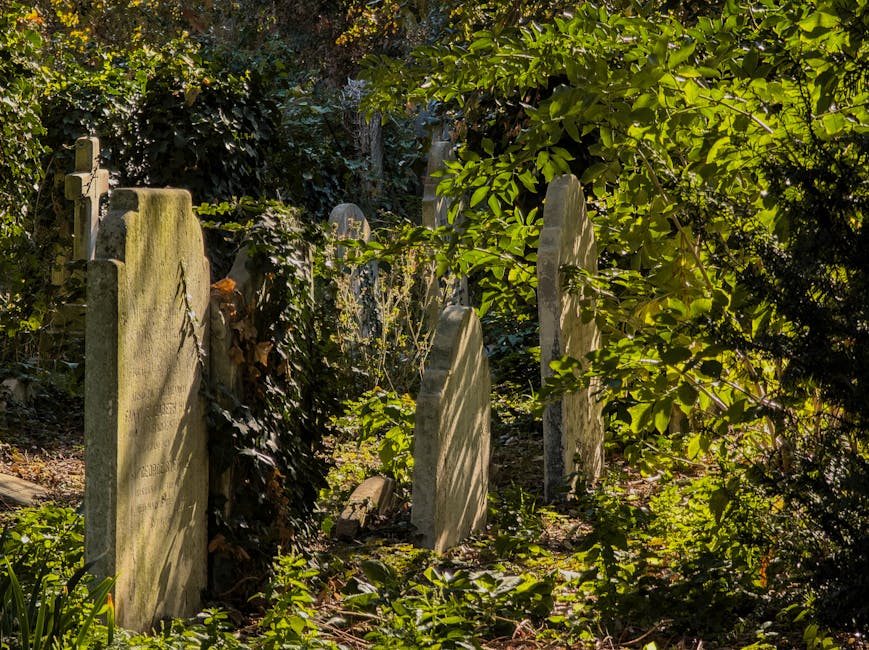
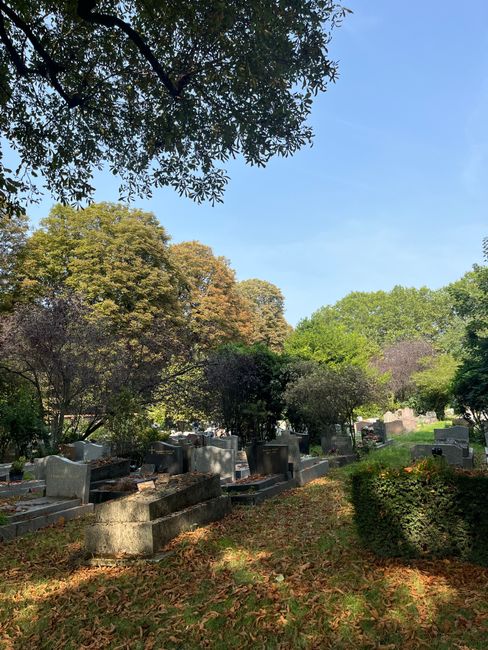
Brompton Cemetery Verge Planting and Maintenance Gardeners
If you are looking after a cemetery verge, you already know it is not just another strip of soil. It sits at the edge of paths, monuments, railings, walls, and planting beds, so every decision shows. The right Brompton Cemetery verge planting and maintenance gardeners can help keep that space respectful, tidy, and alive with planting that suits the setting rather than fighting it. That means sensible species choices, careful trimming, regular upkeep, and an eye for detail that does not shout for attention.
In places like Brompton Cemetery, the work has to balance appearance, safety, root control, access, and long-term care. Too much planting can feel messy. Too little and the verge looks tired. Somewhere in the middle is where good gardening lives. This guide explains how verge planting and maintenance works, what to expect from a specialist gardener, the common mistakes to avoid, and how to plan a routine that actually lasts.
Table of Contents
- Why Brompton Cemetery verge planting and maintenance gardeners Matters
- How Brompton Cemetery verge planting and maintenance gardeners Works
- Key Benefits and Practical Advantages
- Who This Is For and When It Makes Sense
- Step-by-Step Guidance
- Expert Tips for Better Results
- Common Mistakes to Avoid
- Tools, Resources and Recommendations
- Law, Compliance, Standards, or Best Practice
- Options, Methods, or Comparison Table
- Case Study or Real-World Example
- Practical Checklist
- Conclusion
- Frequently Asked Questions
Why Brompton Cemetery verge planting and maintenance gardeners Matters
A cemetery verge does more work than people often realise. It frames the space visually, protects edges from wear, and helps guide visitors without turning the grounds into a hard-surfaced, over-managed place. In a historic setting, that matters even more. The planting should feel calm and considered, not like a quick landscaping job that has wandered in from somewhere else.
With Brompton Cemetery verge planting and maintenance gardeners, the aim is usually to create a verge that supports the character of the site. That means neat borders, suitable planting heights, restrained colours where needed, and maintenance that keeps access routes clear. It also means knowing when not to intervene too heavily. A cemetery is not a show garden. It needs care, yes, but it also needs dignity.
There is also a practical side. Verges are vulnerable areas. They get foot traffic, seasonal leaf drop, compaction, weed pressure, and occasional damage from wet weather. One rainy week and suddenly the edges look shabby. A dry spell, and the planting can become brittle or patchy. That is why regular upkeep is so important. Truth be told, verge care is one of those jobs that looks simple until it is neglected for two months.
For many property and grounds teams, the challenge is consistency. A one-off tidy can make a place look better for a few days. Proper verge planting and maintenance makes it look cared for all year. That is the real difference.
How Brompton Cemetery verge planting and maintenance gardeners Works
The work usually starts with an assessment of the verge itself. Good gardeners look at soil condition, shade, drainage, footfall, nearby trees, boundary details, and the existing planting style. A verge under mature trees will behave differently from a sunny strip by a wall, and it would be daft to treat them the same.
From there, the gardener decides whether the verge needs light maintenance, replanting, edging repair, weed control, mulching, or a more structured planting plan. In a cemetery environment, the approach is often restrained. Low-growing perennials, ground cover, seasonal bedding, or hardy shrubs may be used, depending on the space and the level of upkeep available.
Maintenance then becomes a repeat cycle. That cycle can include:
- regular weeding by hand or with careful tools
- deadheading and light pruning
- edging to keep lines clean
- checking for erosion, bare patches, and compacted soil
- mulching to suppress weeds and hold moisture
- watering during establishment periods or dry spells
- seasonal plant replacement where needed
One thing that often gets missed is timing. Verge planting is not only about what is planted; it is about when the work happens. Spring planting may give new growth a strong start, while autumn work can help roots settle before winter. Maintenance also changes through the year, especially in London where mild winters and sudden summer heat can nudge plants along in awkward little bursts.
If the verge is part of a larger grounds plan, it may sit alongside other services such as garden maintenance, landscape gardening, or even targeted landscaping work. For more complex sites, it can be useful to review the wider services overview so the verge does not become a standalone problem that nobody quite owns.
Key Benefits and Practical Advantages
Well-managed verge planting does not just look nicer. It makes the whole site easier to live with and easier to maintain. And if you are responsible for a sensitive historic location, that matters a lot.
- Cleaner presentation: tidy verges create a calm first impression without feeling overdone.
- Better visitor experience: clear edges and sensible planting help people move through the area comfortably.
- Reduced maintenance pressure: the right planting choices can lower the amount of constant rescue work.
- Improved soil health: mulching, correct planting, and ongoing care support stronger root systems.
- Lower weed competition: dense, well-chosen planting naturally reduces bare soil where weeds take hold.
- Safer access: maintained verges are less likely to spill into pathways or create trip hazards.
- Long-term cost control: regular work usually costs less than letting a verge decline and then starting over.
There is a quieter benefit too. A well-kept verge tells visitors that the grounds are respected. You can feel that in the atmosphere. It softens the hard edges of stone and railings and makes the site feel watched over rather than merely managed.
Expert summary: In cemetery settings, the best verge planting is usually the kind that looks effortless but has been carefully planned for upkeep, access, and the character of the place.
Who This Is For and When It Makes Sense
This service makes sense for a few different types of clients. Sometimes it is a grounds team that needs outside help. Sometimes it is a manager who knows the verge has gone patchy but does not have the time or tools to sort it properly. And sometimes it is simply a site where the planting needs a steady hand rather than a full redesign.
You may need Brompton Cemetery verge planting and maintenance gardeners if:
- the verge is overrun with weeds or bare patches
- plants are struggling because the soil is poor or compacted
- the edge of a path needs neatening and defining
- seasonal planting has become inconsistent
- you want the area to feel more dignified and welcoming
- regular staff are stretched and verge care keeps slipping
- the site needs a maintenance plan rather than occasional tidy-ups
It is also sensible where there is a mix of old and new planting, because those combinations can get awkward quickly. One section looks thriving, another looks thin, and the whole verge starts to feel unfinished. A skilled gardener can even that out without making it feel like a flat, identical strip.
For some projects, verge work may be linked to seasonal clearance or rebuilding beds, and that is where garden clearance can sometimes be part of the conversation. Not always. But when a verge has been ignored for a while, the reset can be helpful before replanting begins.
Step-by-Step Guidance
If you want a sensible verge planting and maintenance plan, it helps to think in stages. Rushing the process often leads to more work later, and nobody needs that. Here is a practical route that works well in many cemetery-style settings.
1. Survey the verge properly
Start by looking at the site at different times of day if you can. Shade patterns matter. So do damp spots, tree roots, and places where visitors naturally cut across the edge. A verge near a mature tree may need tougher, lower planting than one in open light.
2. Decide what the verge needs to do
Is the main job decorative, protective, or both? Does it need seasonal colour, evergreen structure, or simply a clean, green edge? The answer changes the planting plan. In a cemetery, restraint usually wins over spectacle. That sounds obvious, but you would be surprised how often people over-plant the first time round.
3. Prepare the ground
Clear weeds, remove debris, loosen compacted soil where possible, and improve the planting area with compost or other suitable organic matter. This is the bit people like to skip. Then they wonder why the plants sulk for six weeks.
4. Choose suitable plants
Pick varieties that can handle the light, moisture, and maintenance level available. Low-growing, reliable plants are often best. For colour, use controlled seasonal additions rather than trying to force a display that needs constant replacement.
5. Plant with future access in mind
Do not plant so densely that future weeding becomes impossible. Leave room for growth and room for maintenance hands and tools. You want the verge to mature gracefully, not turn into a tangled argument with itself.
6. Establish a routine
New planting needs more attention at first, especially with watering and weed checks. Once established, the site should move onto a regular schedule that includes inspection, edging, pruning, and seasonal tidying.
7. Review and adapt
After the first season, assess what worked. Maybe one area gets too much shade. Maybe the mulch is doing wonders. Maybe one plant choice was a bit optimistic. That is fine. Good maintenance is responsive, not stubborn.
Expert Tips for Better Results
After years of watching garden spaces succeed or slip, a few patterns become pretty clear.
- Choose maintenance-friendly planting first. A beautiful verge that needs constant rescue is not beautiful for long.
- Use repetition with variation. Repeating a few plant types can create calm structure without making the verge boring.
- Keep edges crisp. A neat edge does a surprising amount of visual work. A lot, actually.
- Mulch wisely. It helps with moisture and weed suppression, but only if applied at the right depth and kept clear of stems.
- Do not ignore the soil. Weak soil gives weak plants, and no amount of cheerful optimism will fix that.
- Plan around access. If gardeners cannot reach the verge comfortably, maintenance gets skipped. Then skipped again.
- Watch for tree competition. Nearby trees can steal moisture and nutrients, so planting may need tougher species and extra feeding.
A small tip that saves a lot of grief: keep notes. Even a basic record of what was planted, when it was added, and how it performed will help next season. It sounds a bit unglamorous. It is. But it works.
For sites where safety, insurance, and method statements matter, it is also sensible to review health and safety guidance and insurance and safety information before larger works begin. That is not overkill. It is just tidy practice.
Common Mistakes to Avoid
The same errors crop up again and again, especially where verge planting is treated as a minor task rather than an ongoing part of site care.
- Overplanting: packing the verge too tightly makes future maintenance awkward and often causes weaker growth.
- Choosing showy plants over suitable plants: looks fade fast when the planting is not matched to conditions.
- Ignoring compaction: heavily trodden soil needs attention or roots struggle to establish.
- Letting weeds seed freely: one missed round can become three. It happens quickly.
- Skipping seasonal checks: spring and autumn are not optional in a living system.
- Using the same routine everywhere: one verge may need more shade-tolerant planting, another more drainage support.
- Forgetting the wider setting: a verge that clashes with the cemetery's overall tone feels out of place, even if it is technically neat.
Another common mistake is assuming maintenance is only visual. It is not. A verge can look okay from a distance while the soil is compacted, the roots are stressed, and the edges are slowly failing. By the time it looks obviously bad, the work has usually become more expensive.
Tools, Resources and Recommendations
You do not need a dramatic toolkit for verge work, but you do need the right basics. Good tools make a cleaner finish and reduce stress on the plants and the gardener.
Useful tools
- hand forks and trowels for careful weeding
- edging tools for crisp borders
- secateurs for light pruning and deadheading
- watering cans or hoses for establishment periods
- mulch and compost for soil improvement
- gloves, kneelers, and lightweight hand tools for detailed work
Useful supporting services
Depending on the condition of the site, verge work may sit alongside other services. For example, lawn mowing can help keep adjacent areas tidy, while hedge trimming may be needed where boundaries affect light and access. If overgrown shrubs or small trees are encroaching, tree lopping and removal may need to be considered carefully and only where appropriate.
For spaces that need a broader refresh, it can also help to look at recycling and sustainability practices. Green waste handling, reuse of healthy cuttings, and sensible material choices all matter in a place where the work should feel responsible, not wasteful.
If you are comparing providers or planning a bigger schedule, pricing and quotes is a practical place to start. Not because price is everything. It is not. But because transparent expectations make the whole job easier to manage.
Law, Compliance, Standards, or Best Practice
Cemetery verge work can involve more than aesthetics. There may be site-specific rules, access expectations, heritage sensitivities, health and safety duties, and environmental considerations. The exact requirements vary by site and ownership, so it is important to be cautious rather than assume.
In the UK, good practice usually includes:
- working with clear access arrangements and avoiding obstruction of paths
- using safe manual handling and suitable tools for the task
- taking care around memorials, railings, and delicate surfaces
- checking whether planting choices suit the setting and maintenance capacity
- handling waste responsibly and separating green waste where appropriate
- keeping records of works, especially on managed sites
If contractors are involved, they should be insured and able to explain how they work safely. That may sound obvious, but it is one of those things people only ask about after something goes wrong. Best to ask early.
There may also be internal terms, complaints, and access information that matter when scheduling work. For example, a client may want to review terms and conditions before agreeing dates, or use the complaints procedure if a concern needs formal follow-up. If you are handling public-facing information, the accessibility statement may also be relevant for visitors and staff.
Options, Methods, or Comparison Table
Not every verge needs the same approach. Some are best kept very simple. Others need a more structured planting design. The table below gives a practical comparison.
| Approach | Best for | Maintenance level | Typical strengths | Trade-offs |
|---|---|---|---|---|
| Low-maintenance ground cover | Shaded or lightly trafficked verges | Low to medium | Suppresses weeds, looks calm, easy to keep tidy | Can look flat if not varied carefully |
| Seasonal planting | Areas needing colour and a more changing display | Medium to high | Fresh appearance, clear seasonal interest | Needs replanting and closer attention |
| Mixed perennial border | Longer verges with stable conditions | Medium | Balanced look, good biodiversity, less repeated replanting | Needs thoughtful species choice and some structure |
| Simplified formal verge | Places where neatness and order matter most | Low to medium | Clean lines, easy to read visually, dignified finish | Less lush, can feel bare if soil and spacing are poor |
In practice, many cemetery sites use a blend. A formal edge near the path, a softer planting zone just beyond it, and a careful maintenance routine in between. That mix often gives the best balance of appearance and practicality.
Case Study or Real-World Example
Imagine a verge beside a quiet path where footfall is steady but not heavy. Over time, the edge has become patchy. A few shrubs are hanging into the walkway, weeds are appearing after each damp spell, and the planting looks a bit tired by late summer. Nothing dramatic. Just one of those spaces that slowly loses shape.
A sensible response would not be to rip everything out. First, the gardener would assess the soil, cut back overgrowth, remove debris, and define the boundary properly. Then they might add a handful of reliable, low-growing plants with similar water needs, top the area with mulch, and set a schedule for inspections every few weeks during the growing season.
Within a month or two, the verge would look calmer. Not flashy. Better than flashy, actually. The path would feel more open, the edge clearer, and the planting more intentional. The real win is not a dramatic before-and-after photo. It is the fact that the space keeps looking decent without constant emergency tidy-ups.
That is usually the standard people want, even if they do not say it that way. They want the place to feel cared for without looking fussed over.
Practical Checklist
Use this checklist before starting or reviewing verge planting and maintenance work.
- Is the verge's purpose clear: decorative, protective, or both?
- Have light, shade, and drainage conditions been checked?
- Is the soil in decent condition, or does it need improvement first?
- Have suitable plants been chosen for the level of upkeep available?
- Are path edges and access points easy to maintain safely?
- Has a weed-control plan been agreed?
- Will mulch, watering, or seasonal replanting be needed?
- Is there a realistic maintenance schedule in place?
- Are safety, insurance, and site procedures confirmed?
- Has someone been assigned to review the verge after the first season?
If you can tick most of those boxes, you are in good shape. If not, that is fine too. It just means the job needs a bit more planning before planting begins.
Conclusion
Brompton Cemetery verge planting and maintenance gardeners do more than keep a strip of ground tidy. They help protect the character of the site, support safe access, and create a planting scheme that can stand up to real-world conditions. In a historic or sensitive setting, that balance is everything.
The best results come from careful assessment, restrained planting, regular maintenance, and a plan that respects both the setting and the practical workload. Not glamorous, perhaps. But dependable. And in this kind of work, dependable is what lasts.
If you are comparing options, it is worth looking at a team's wider approach to maintenance, safety, sustainability, and pricing so you know what you are signing up for. Small details matter here. They really do.
Get a free quote today and see how much you can save.
And if you do take the next step, aim for a gardener who understands that the quietest spaces often need the most thoughtful care.
Frequently Asked Questions
What does a verge gardener actually do in a cemetery setting?
A verge gardener maintains the planted edge areas beside paths, boundaries, and memorial spaces. That usually includes planting, weeding, edging, pruning, mulching, and seasonal tidy-ups. In a cemetery, the work is done with extra care so the space stays respectful and accessible.
How often should cemetery verges be maintained?
It depends on the planting style and the season, but most verges benefit from regular checks rather than occasional big clean-ups. During active growing periods, that may mean frequent light maintenance. In quieter months, the focus shifts to inspection, pruning, and keeping edges neat.
What plants work best for cemetery verge planting?
Usually, the best plants are low-growing, hardy, and suited to the light and soil conditions. Ground cover, hardy perennials, and restrained seasonal planting often work well. The key is choosing plants that can be maintained without constant replacement.
Is verge planting in a cemetery different from normal garden planting?
Yes, quite a bit. Cemetery planting has to respect the setting, avoid blocking access, and often needs to be more subtle than domestic garden design. It is less about display and more about balance, calm, and durability.
Can verge planting help reduce weeds?
It can, especially when the planting is dense enough to cover bare soil and when mulch is used properly. Good planting makes it harder for weeds to establish. But there is no magic fix, to be fair. Regular maintenance still matters.
What are the biggest maintenance problems on cemetery verges?
The most common issues are weeds, compacted soil, poor drainage, overgrown edges, and patchy planting. Shade from nearby trees can also make some areas thin or uneven. These problems are manageable, but they need steady attention.
Do cemetery verges need seasonal replanting?
Sometimes, yes. If the site uses bedding plants or colour-focused displays, seasonal replanting may be part of the routine. If the verge is designed around hardy perennial planting, replanting should be less frequent. It depends on the strategy chosen at the start.
How do I know if a verge needs a full refresh rather than routine maintenance?
If the verge has widespread bare patches, failing plants, compacted soil, or repeated weed problems, a full refresh may be more efficient than patching it forever. A good gardener will look at the whole picture and advise whether maintenance alone is enough.
What should I ask before hiring gardeners for verge work?
Ask about their experience with sensitive or formal sites, their maintenance approach, safety procedures, insurance, and how they handle waste. It also helps to ask how they plan planting for long-term upkeep, not just the first week after the job.
Can verge maintenance be combined with other garden services?
Yes. It is common to combine verge work with garden maintenance, hedge trimming, lawn mowing, or broader landscaping tasks so the whole site feels consistent. That often saves time and avoids a piecemeal look.
How do I budget for verge planting and maintenance?
Budgeting depends on the size of the verge, the condition of the soil, the type of planting, and how often maintenance is needed. A simple verge costs less to keep than one that needs repeated replanting or restoration. The clearest next step is usually to request a tailored quote rather than guess.
What is the most common mistake people make with verge planting?
Overplanting is probably the biggest one. People want the verge to look full straight away, so they pack everything in too tightly. Then maintenance becomes awkward and plants compete with each other. A bit of breathing room goes a long way.